Let’s address the elephant in the room.
I’m Bob, founder of Patten Design. And right now, you’re reading a blog post where the images were generated by AI. The words? Written with AI assistance too.
This is my experiment. My honest attempt to figure out where AI fits in the world of brand design. And I’m going to share exactly what I’ve learned, the good, the bad, and the genuinely surprising.
No hype. No fear-mongering. Just a straight perspective from someone who’s spent years crafting brands the traditional way.
Why I Started This Experiment
Here’s the truth. Running a branding agency means constantly balancing creative integrity with practical business needs.
I needed content. Lots of it. Blog posts to help Patten Design gain traction online. To compete in search rankings. To share insights with startups and SMEs who need guidance.
Commissioning custom illustrations for every single post? Not sustainable. Not when you’re trying to publish consistently.
So I asked myself: could AI fill that gap?
The answer, I’ve discovered, is complicated.

The Case For AI: Where It Actually Delivers
Time: Speed That’s Hard to Ignore
Traditional illustration takes days. Sometimes weeks. Briefing, sketches, revisions, final delivery.
AI? Minutes.
Need a hero image for a blog post at 4pm? Done by 4:15. Need three variations? Done by 4:20.
For content marketing, where volume and consistency matter, this speed is transformative. According to recent research, AI can automate repetitive design tasks, freeing up hours that would otherwise be spent on routine work.
I’ve used this speed to publish more frequently. To test ideas quickly. To keep momentum going when traditional timelines would have stalled everything.
Cost: The Efficiency Factor
Let’s be direct about money.
A custom illustration from a skilled artist might cost £200-£500. Per image. Multiply that across dozens of blog posts and you’re looking at serious investment.
AI generation costs pennies per image.
For a growing agency trying to build an online presence, this efficiency matters. It’s allowed me to create visual content at a scale that simply wouldn’t have been possible otherwise.
But here’s where it gets interesting. Cost efficiency isn’t the same as value.

The Case Against AI: Where It Falls Short
Consistency: The Ongoing Struggle
This has been my biggest frustration.
AI doesn’t remember. Every generation is a fresh start. You can write detailed prompts, specify exact styles, reference previous images, and still get something that feels off-brand.
I’ve spent hours trying to maintain a consistent visual language across these posts. Same colour palette. Same gritty, noir aesthetic. Same typographic style.
Sometimes it nails it. Sometimes it produces something that looks like it belongs to a completely different brand.
Human designers understand context. They absorb your brand guidelines, your tone, your unspoken preferences. They develop an intuition for what “feels right.”
AI doesn’t have that intuition. Not yet.
Values: The Missing Soul
Here’s where I get genuinely conflicted.
I believe brand design is fundamentally human work. It’s about understanding people, their fears, aspirations, the stories they want to tell. It’s about translating those invisible things into visual language that resonates.
AI can analyse patterns. It can predict preferences based on data. But can it truly understand why a particular shade of yellow feels hopeful? Why a certain texture evokes trust?
Research suggests 70% of consumers expect personalised experiences from brands. AI can help deliver that personalisation at scale. But the emotional depth? The subtle nuances that forge genuine connections?
That still requires human hands. Human hearts.
My Honest Assessment
After months of experimentation, here’s where I’ve landed.
AI is brilliant for:
- Content marketing visuals
- Rapid prototyping and exploration
- Filling gaps where budget or timeline won’t stretch
- Testing visual directions before committing
AI struggles with:
- Core brand identity work
- Emotionally resonant, story-driven visuals
- Maintaining perfect consistency across touchpoints
- Understanding ambiguous briefs or conflicting requirements
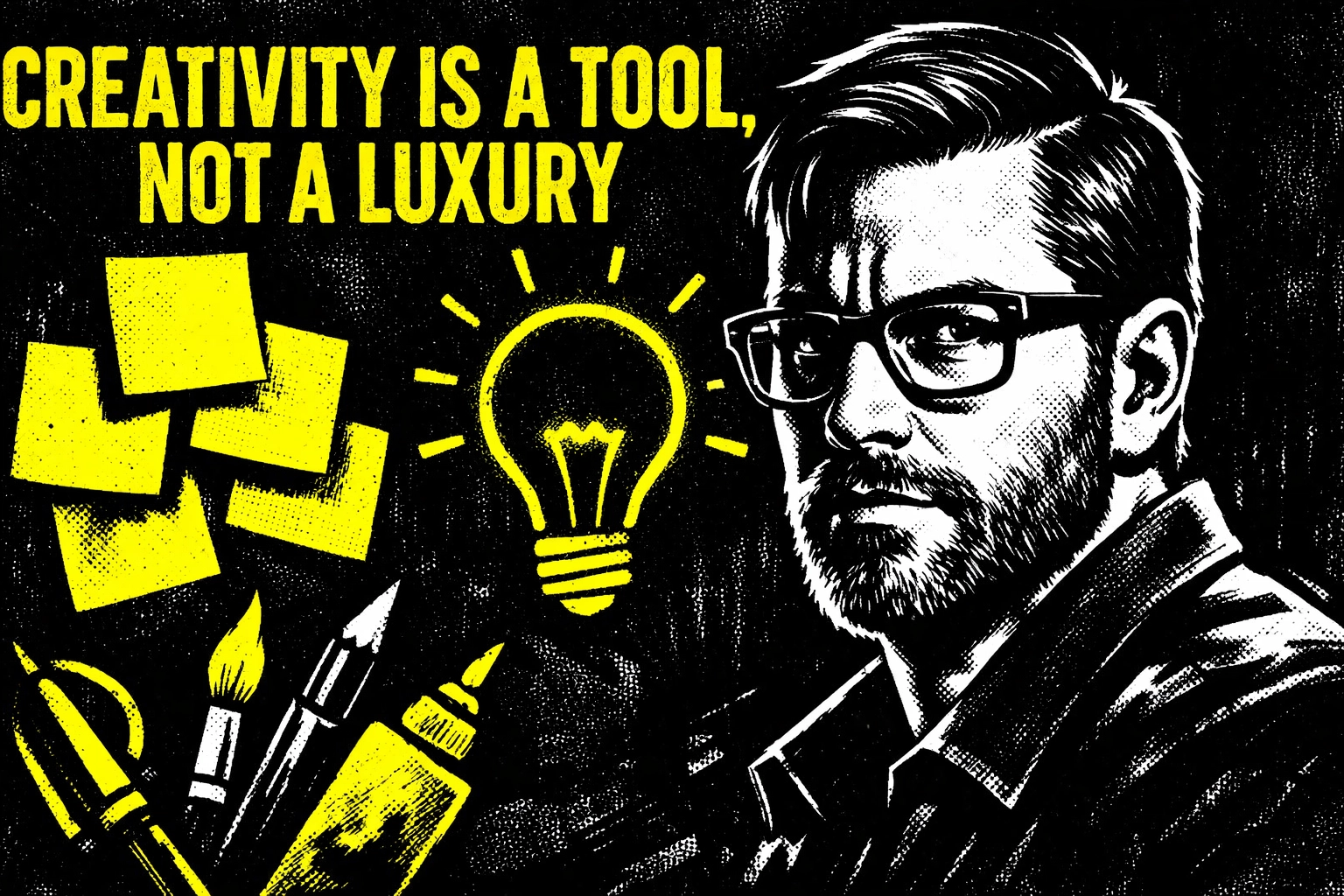
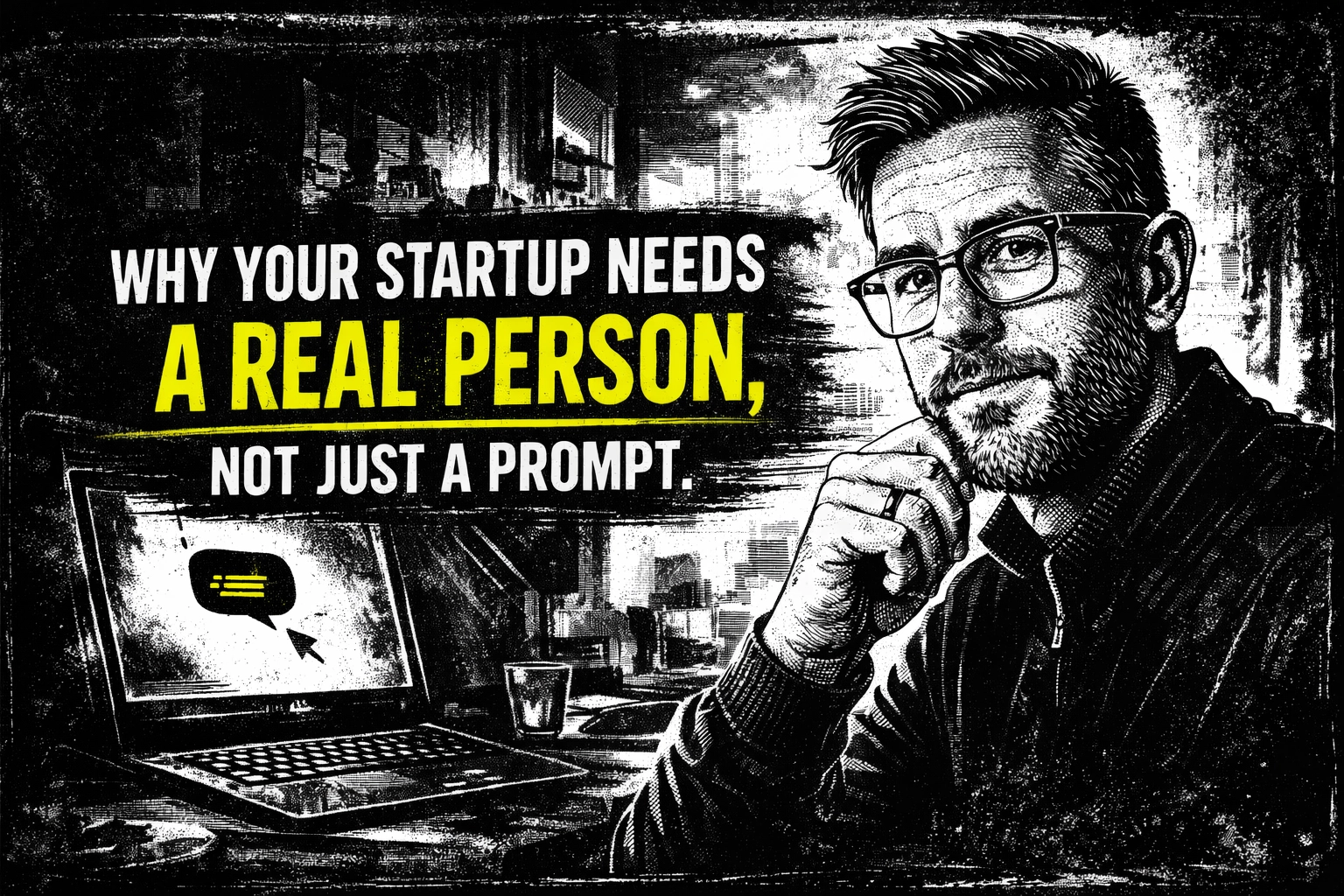
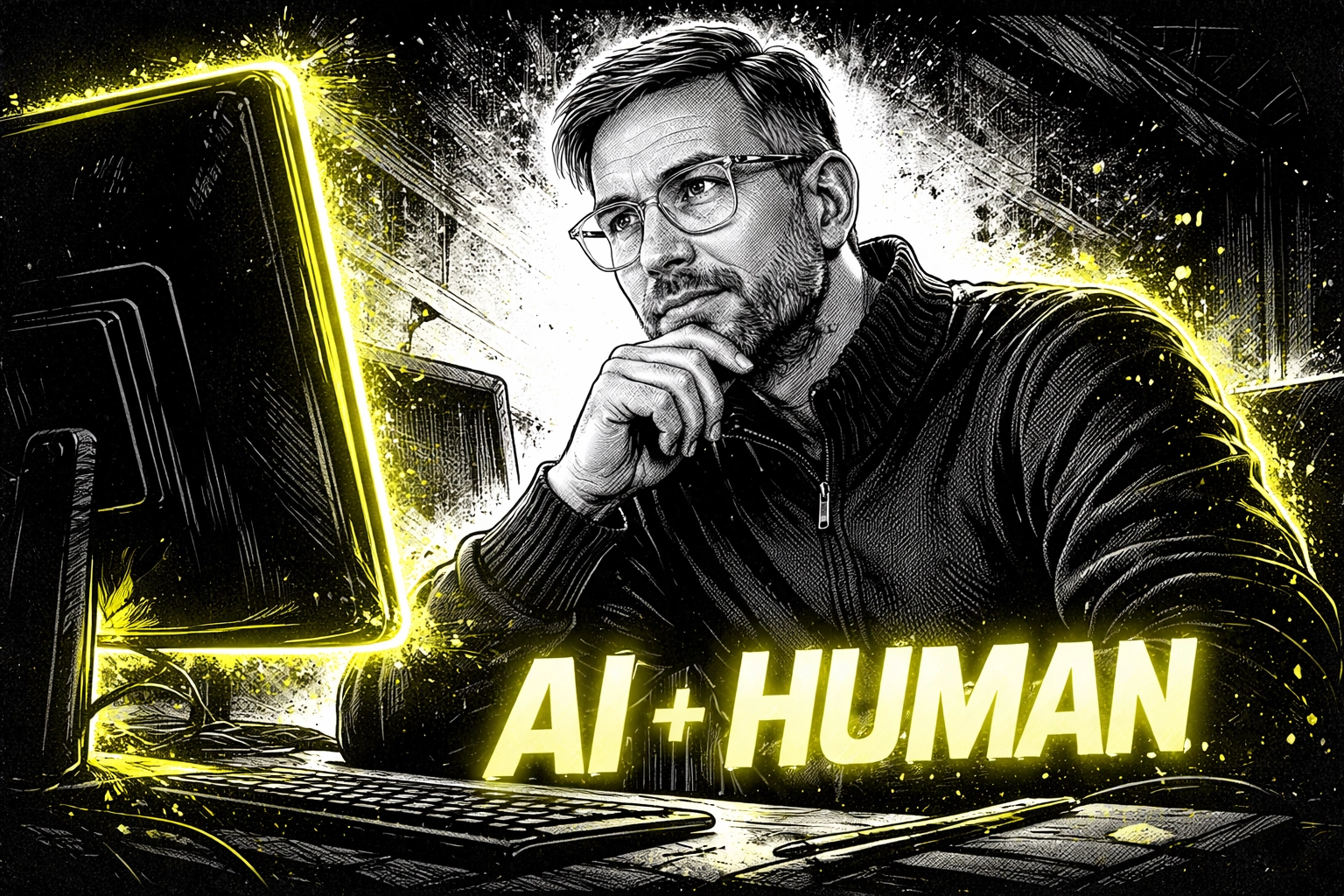
The images on this blog? They serve a purpose. They add visual interest. They help break up text and illustrate concepts.
But they’re not the same as the meaningful brand work I create with clients. Not even close.
What I Still Believe
Here’s the thing that hasn’t changed.
I love working with real designers and illustrators.
There’s something irreplaceable about collaboration. The back-and-forth. The unexpected ideas that emerge when two creative minds connect. The moment when an illustrator interprets your brief in a way you never anticipated, and it’s better than anything you imagined.
That human connection creates meaningful work. Work that resonates because it was born from genuine understanding, not pattern recognition.
When a client comes to me for brand identity, for logo design, for visual systems that will define their business for years, that work demands human creativity. Human intuition. Human care.
AI can’t replicate the conversation over coffee where you discover what really drives a founder. It can’t sense the slight hesitation that reveals their true concerns. It can’t bring decades of design experience to interpreting those insights.

The Balanced View
So should brand designers use AI?
Yes. And no.
Use it where it makes sense. Where speed and scale matter more than emotional depth. Where the work is functional rather than foundational.
But don’t mistake efficiency for excellence. Don’t let cost savings erode the human elements that make brand design powerful.
The best approach? Treat AI as a tool, not a replacement. Let it handle the routine so you can focus on the remarkable.
That’s what I’m doing here. Using AI to build traction. To publish consistently. To share ideas that might help other businesses.
But when it comes to the real work: the brand strategies, the identities, the visual systems that transform businesses: that’s where human creativity takes the lead.
Transparency Matters
I want to be clear about something.
These blog posts use AI. The images. The writing assistance. All of it.
I’m not hiding that. In fact, I think transparency is essential as AI becomes more prevalent in creative industries.
You deserve to know when you’re looking at AI-generated content. You deserve to make informed judgements about its value.
My hope is that this content is still useful. Still insightful. Still worth your time.
But I also hope you understand why, when you’re ready to build something meaningful for your brand, you’ll want human hands involved.
Where Do We Go From Here?
AI in design isn’t going away. It’s going to get better. More consistent. More capable.
That’s not a threat. It’s an opportunity.
The designers who thrive will be those who use AI to amplify their capabilities: not replace their creativity. Who understand when to leverage technology and when to trust their instincts.